The amenity era is over
For two decades, wellness in real estate meant a spa, a gym, and a yoga pavilion. These were marketing features, not revenue engines. Post-pandemic buyers and guests have moved on. They now expect programmes with clinical substance: diagnostics, physician oversight, and measurable outcomes.
What the data shows
Properties with a genuine medical wellness anchor command higher average daily rates, longer lengths of stay, and stronger repeat visitation than lifestyle-only competitors. In the branded residence segment, a credible health component is increasingly the difference between a development that sells at a premium and one that discounts.
The anatomy of a credible anchor
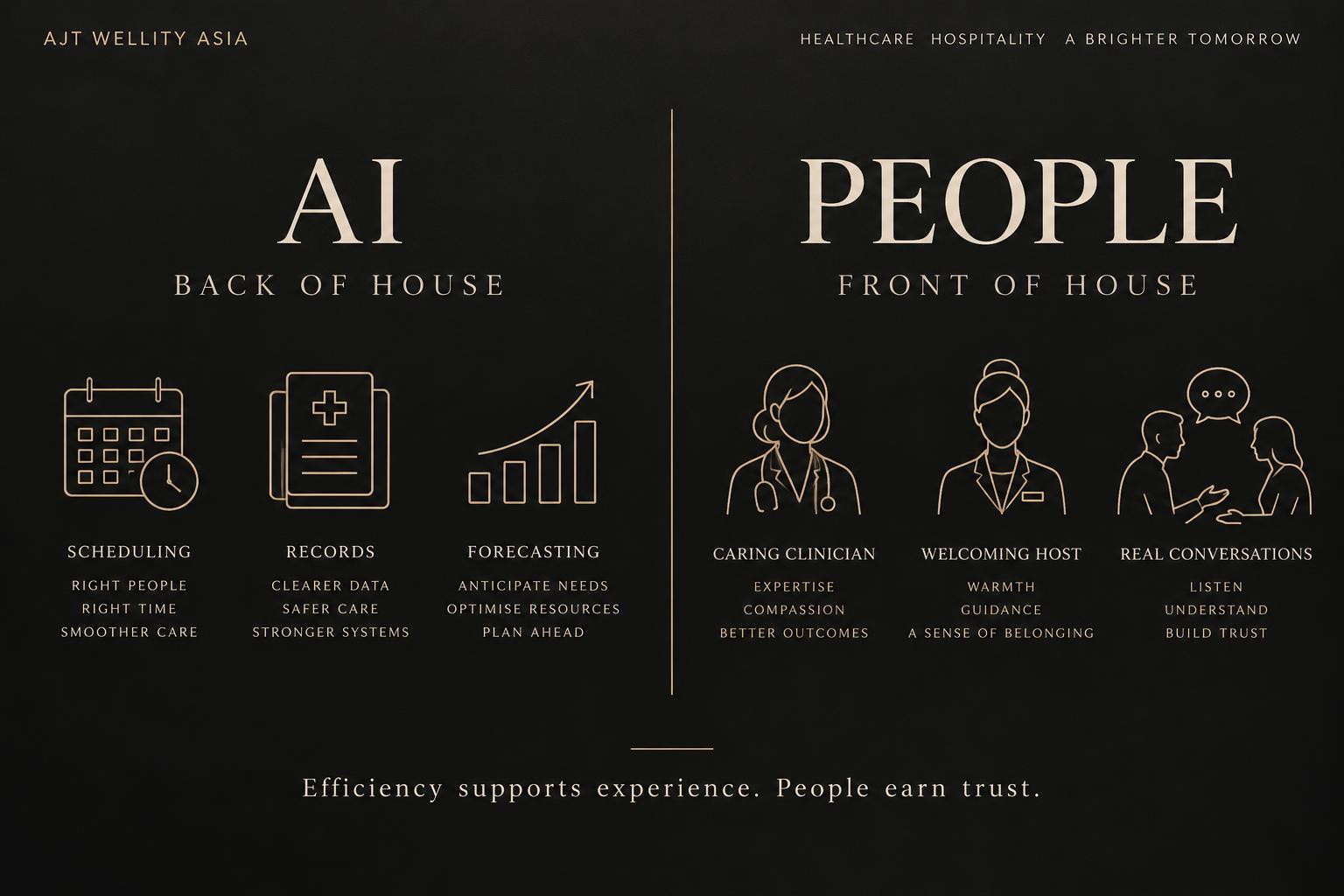
A medical wellness anchor is not a rebranded spa. It requires licensed medical governance, evidence-based programmes, diagnostics infrastructure, and a team that can speak both the language of hospitality and the language of clinical care. This is precisely the integration work AJT Wellity Asia was built to deliver, from the Bumrungrad Vitallife partnership to the Chitta Wellness Retreat Estate.
The developer playbook
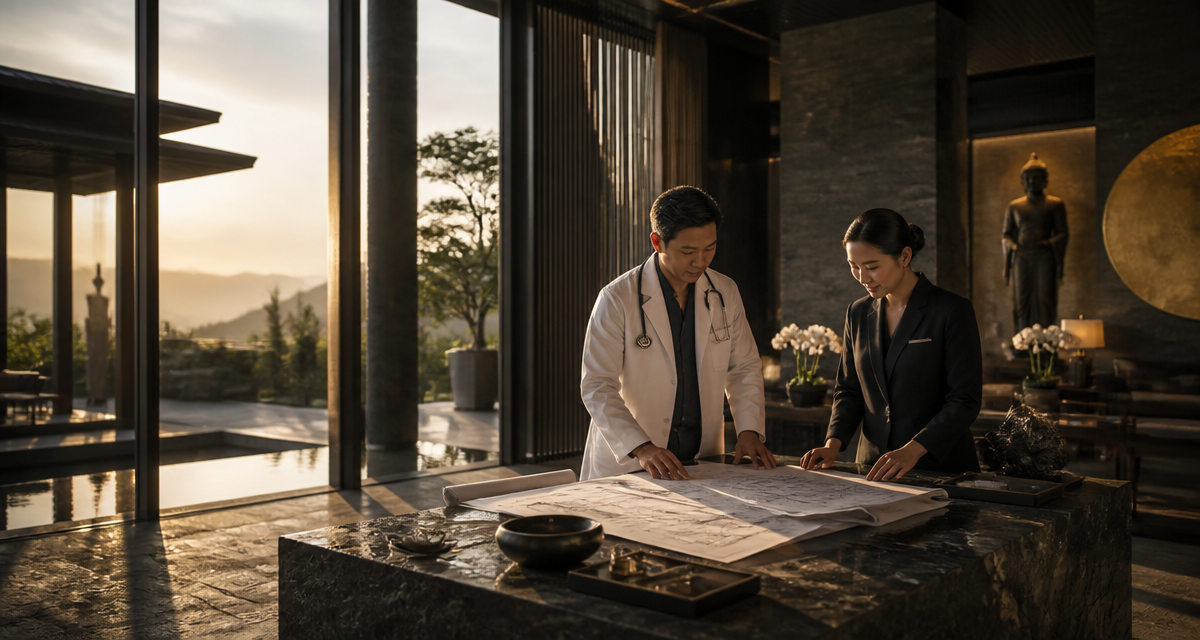
Start with feasibility, not floor plans. Define the clinical scope, the regulatory pathway, and the operating model before design development. Then build the brand narrative around outcomes, not indulgence. Developers who follow this sequence avoid the most expensive mistakes in the category: beautiful facilities with no viable business model beneath them.
Looking ahead
As Asia wellness tourism accelerates, the gap between credible medical wellness assets and cosmetic imitators will widen. The winners will be the developers who understood early that wellness is not a department. It is the anchor.