
In short
Importing Western medical wellness concepts into Asia without cultural calibration leads to weak domestic adoption and unsustainable margins. By pairing evidence-based clinical diagnostics with established indigenous healing systems such as Traditional Thai Medicine, Traditional Chinese Medicine, and Indonesian Jamu, developers transform token spa menus into credible, high-retention care ecosystems. This article examines the clinical workflows, architectural parameters, and regional market nuances necessary to commercialise authentic Asian medical traditions within world-class hospitality and residential assets.
Key takeaways
- Western medical wellness assets in Asia frequently underperform because they ignore the traditional medical paradigms that govern regional guest health behaviors.
- Traditional Asian medicine provides the adherence framework, cultural resonance, and daily lifestyle rituals that modern clinical diagnostics require to sustain long-term engagement.
- To command clinical margins, indigenous modalities must transition from decorative spa treatments into standardized, biomarker-monitored therapeutic pathways.
- Successful operational integration demands physical architecture that isolates clinical diagnostic zones from sensory, thermal, and botanical herbal preparation environments.
After working on wellness businesses across Asia for more than two decades, one thing we continue to see is that owners attempt to import Western medical wellness templates directly into Asian markets without understanding the cultural framework of health that already governs their guests. They buy European hydrotherapy circuits or Swiss longevity protocols, drop them into Bali, Danang, or Phuket, and wonder why local domestic elites and regional travellers view them as sterile spas with inflated price tags.
The mistake is treating traditional healing arts, such as Traditional Thai Medicine (TTM), Traditional Chinese Medicine (TCM), Ayurveda, and Indonesian Jamu, as decorative folklore or token spa amenities. When properly structured, indigenous medical systems provide the clinical narrative, daily compliance framework, and cultural legitimacy that Western functional medicine often lacks in Asia.
To build an asset that commands enduring loyalty, developers must integrate traditional Asian healing systems with contemporary clinical diagnostics, not as a romanticised cultural performance, but as an operational care delivery system.
Why do Western wellness models fail when imported into Asia without adaptation?
Western medical wellness typically prioritises acute intervention, transactional metrics, and high-tech biohacking hardware that isolate the guest from their physical and cultural environment. In contrast, Asian guests from markets like Singapore, Korea, Japan, and the Middle East operate on deeply ingrained concepts of balance, systemic harmony, environmental resonance, and ancestral longevity principles.
When an asset offers cold plunges, hyperbaric chambers, and nutrient drips without addressing digestive fire, meridians, or circadian harmony, Asian guests sense a disconnect. They may purchase an introductory session out of curiosity, but they rarely return for prolonged care. Western functional medicine excels at isolating physiological markers through blood chemistry, metabolomics, and genetic testing. However, it frequently struggles with adherence, intuitive lifestyle coaching, and holistic restoration.
Conversely, traditional Asian medical systems have guided lifestyle governance for centuries:
- Traditional Thai Medicine (TTM): Organises pathophysiology around four elemental balance points (Earth, Water, Wind, Fire) and physical meridian pathways (Sen Sib), addressing chronic pain and visceral tension.
- Traditional Chinese Medicine (TCM): Diagnoses energetic imbalances, dampness, and microcirculatory stagnation through pulse, tongue, and seasonal alignment.
- Indonesian Jamu and Herbal Lore: Deploys complex ethnobotanical pharmacology to regulate internal heat, digestive inflammation, and metabolic restoration.
- Ayurveda: Categorises constitution and metabolic speed via doshas, structuring bespoke nutritional, sleep, and detoxification rhythms.
When integrated correctly through integrated hospitality and wellness management, these traditional systems offer the contextual framework that makes clinical diagnostics intelligible and actionable for regional and international guests.
How does clinical validation transform indigenous modalities into commercial care pathways?
Indigenous medicine gains commercial viability only when owners extract it from the day spa menu and anchor it to modern clinical validation. If an Indonesian Jamu tonic is served merely as a complimentary welcome drink, it represents an unrecovered overhead. If that same formulation is prescribed by a licensed traditional practitioner based on inflammatory blood markers and liver enzymes, it becomes part of a valued clinical programme.
The commercial failure of traditional wellness in resorts often stems from treating it as an artisan craft rather than a standardised protocol. To build credibility with cross-border medical travellers and domestic high-net-worth families, operators must establish clear clinical boundaries:
| Dimension | Decorative Amenity Approach | Integrated Clinical Care Approach |
|---|---|---|
| Intake Process | Standard spa questionnaire completed at reception | Clinical biomarker profiling combined with traditional diagnostic assessment |
| Practitioner Tier | Spa therapists with short cross-training certificates | Licensed traditional medicine practitioners paired with medical doctors |
| Formulation Quality | Generic wholesale tea and herbal poultices | Standardised, tested herbal extracts with known active compounds and safety screening |
| Outcome Tracking | Subjective relaxation feedback form | Baseline and post-stay comparative physiological and metabolic assessments |
| Commercial Value | Single add-on treatment, easily discounted | Multi-day immersive care protocol with sustained at-home follow-up |
By subjecting traditional techniques to modern investigative rigor, operators validate traditional outcomes while giving medical doctors non-toxic therapeutic tools. At AJT Wellity Asia, our sustainable wellness and environmental medicine frameworks align local botanical resources and regional heritage with rigorous clinical endpoints, ensuring the operational model is defensible and safe.
What is the operational framework for combining traditional and modern practitioners?
The operational core of an integrated property is the joint clinical intake. Friction invariably arises when licensed medical doctors and traditional practitioners operate in functional silos, competing for authority over the guest care journey.
A successful workflow eliminates this territorial dispute through clear operational handoffs:
- Step 1: Objective Biomarker Intake. Modern clinical teams conduct baseline assessments, including blood panels, autonomic nervous system analysis via heart rate variability, body composition, and metabolic testing.
- Step 2: Traditional Constitutional Assessment. A licensed traditional physician conducts tongue, pulse, and structural palpation to assess the patient's regulatory state, systemic dampness, or internal heat.
- Step 3: Joint Care Calibration. Both professionals convene for fifteen minutes to cross-reference findings. Where a clinical physician identifies elevated systemic inflammation, the traditional practitioner maps the physical blockages and prescribes targeted herbal combinations, external therapies, and dietary thermal adjustments.
- Step 4: Supervised Treatment Delivery. Therapies are delivered under protocols calibrated for specific contraindications. Traditional manual therapies, such as Thai Royal Court massage or targeted acupuncture, are applied to relieve structural restrictions, while modern clinical interventions support cellular recovery.
- Step 5: Cohesive Education. The guest does not receive conflicting medical jargon. They receive a clear, culturally resonant explanation of their physical state, learning how their lifestyle habits produced the imbalance and how targeted daily rituals support recovery.
This interdisciplinary structure requires operational leadership capable of unifying clinical governance with hospitality culture. Asset owners seeking to realign fragmented practitioner teams often discover through transformation of leaders that poor retention stems not from market demand, but from operational friction between clinical and hospitality staff.
Which Asian markets demonstrate genuine demand for culturally anchored wellness assets?
The demand for culturally grounded wellness assets is not uniform across Asia. Distinct regulatory environments, consumer sophistication, and healthcare ecosystems shape commercial viability in each territory:
Thailand: The Integration of Medical Tourism and Royal Tradition
Thailand possesses the most mature framework for traditional medicine integration, backed by official licensing under the Ministry of Public Health. Urban Bangkok medical hubs excel at advanced oncology, aesthetics, and stem cell therapies, but resort destinations like Phuket, Koh Samui, and Chiang Mai face declining margins on standard spa offerings.
Properties integrating authentic Royal Thai Medicine, using herbal steaming, abdominal release work, and therapeutic poultices to treat metabolic dysfunction and postural pain, generate significantly higher length of stay. The regional market views Thai herbal medicine as highly credible when housed inside certified clinical environments.
Indonesia: Repositioning Bali Beyond Superficial Spirituality
Bali has long suffered from wellness superficiality, dominated by unregulated spiritual retreats, short courses, and unverified alternative therapies. Yet Bali possesses an extraordinary botanical pharmacopoeia and an established tradition of Usada (traditional Balinese healing).
The emergence of designated special economic zones for medical wellness in Sanur signals an evolution. Properties that anchor traditional Usada treatments and Jamu herbal medicine to rigorous clinical diagnostics are outperforming generic wellness resorts. They attract affluent domestic Indonesians from Jakarta and medical wellness travellers from Australia and Singapore who require structured, evidence-based care.
Japan and Korea: Longevity Grounded in Thermal and Circadian Traditions
In Japan and Korea, traditional medicine (Kampo and Hanbang) is already deeply embedded in national health systems. Here, Western longevity concepts succeed best when merged directly with hot spring balneology (Onsen) and seasonal circadian nourishment.
Modern longevity clinics in Seoul and Tokyo that attempt to displace Hanbang fail to resonate with older, affluent demographics. The highest-performing destination assets integrate hyperbaric oxygen and cellular diagnostics with mineral bathing protocols and targeted herbal decoctions that align with seasonal adaptation.
Vietnam: The Untapped Heritage of Southern Herbal Medicine
Vietnam represents one of Asia's most compelling emerging markets for wellness real estate and destination resorts. With Thuoc Nam (traditional southern medicine) boasting an extensive indigenous pharmacopoeia focused on heat clearing and detoxification, developers in Cam Ranh, Phu Quoc, and Da Nang hold an underutilised asset. Properties anchoring their wellness models to authentic Vietnamese herbal medicine combined with modern movement diagnostics capture strong domestic family office investment.
How should developers design physical spaces to support both clinical technology and traditional rituals?
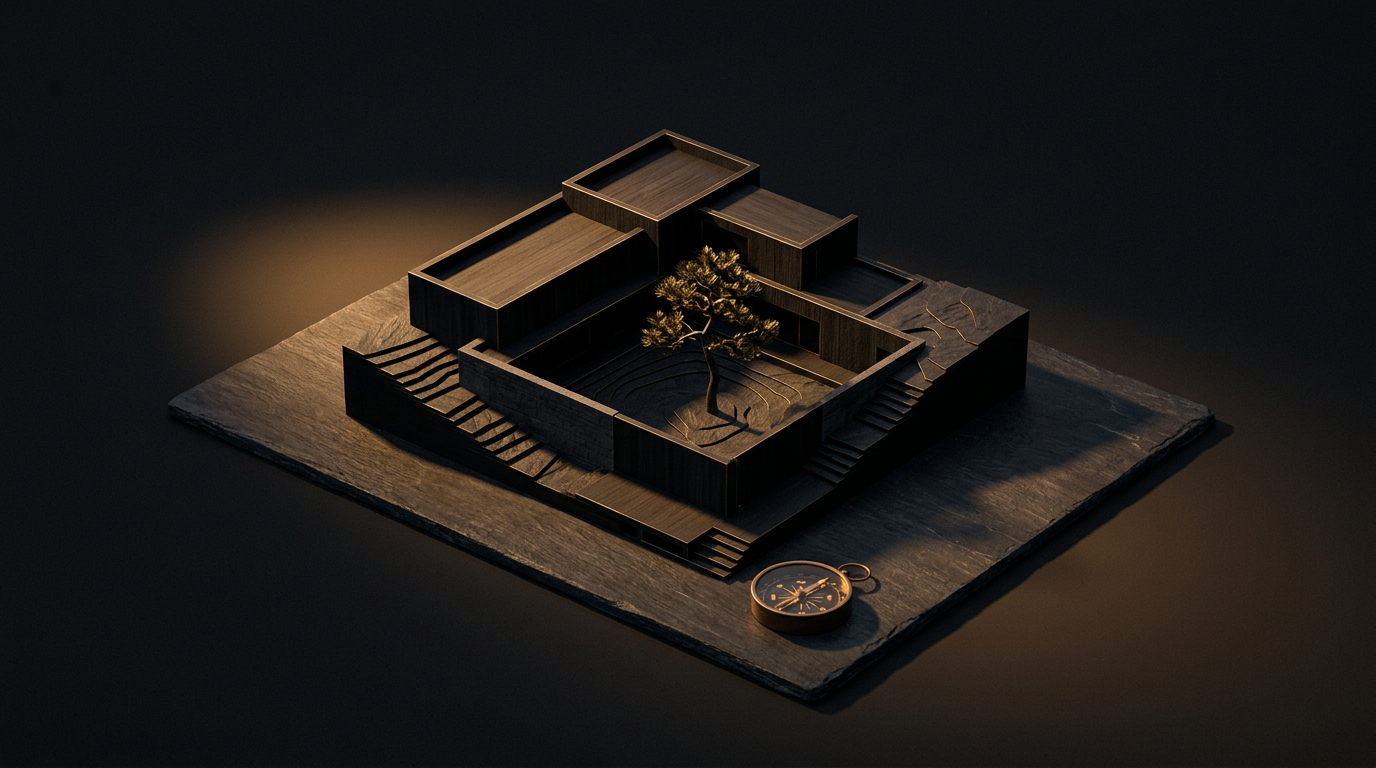
A common developer error is designing either a sterile hospital environment with treatment rooms or a dark, subterranean day spa that cannot support clinical infrastructure. An asset combining modern diagnostics with traditional healing requires spatial design that satisfies two conflicting demands: clinical sterility and sensory grounding.
To achieve operational viability, the physical master plan must account for precise engineering specifications:
- Herbal Processing and Pharmacy Labs: Traditional medicine requires dedicated ventilation, high-volume extraction hoods, temperature-controlled botanical storage, and pharmaceutical-grade preparation rooms. Locating herbal preparation in an open kitchen creates aroma contamination throughout guest suites.
- Acoustic and Vibrational Zoning: Advanced diagnostic devices, such as metabolic carts and bio-impedance scanners, require quiet, temperature-controlled, electromagnetic-shielded environments. Conversely, traditional sound therapies, wet herbal treatments, and steam therapies generate moisture and noise. They must occupy distinct thermal and acoustic zones.
- Natural Light and Environmental Airflow: Traditional healing modalities rely heavily on fresh air circulation, elemental connection, and natural daylight to reset circadian pathways. Clinical consultation rooms, however, require privacy and controlled lighting for imaging and examinations.
- Wet Area Hygiene Protocols: Hydrotherapy, traditional herbal baths, and onsen circuits require commercial-grade water filtration, drainage channels capable of handling botanical debris, and non-porous antimicrobial surfaces that still maintain warm, organic aesthetics.
When physical space fails to reflect workflow realities, therapists spend valuable hours managing logistical friction rather than caring for guests. Layout and functional design must serve operational mechanics before interior finishes are selected.
What commercial risks emerge when operators execute this integration poorly?
The commercial risks of mismanaging traditional and clinical wellness fall into three distinct failure modes:
The first risk is regulatory non-compliance. Traditional practitioners practicing without appropriate local clinical oversight expose asset owners to heavy regulatory penalties, especially in strict jurisdictions such as Singapore, Thailand, and the UAE. Clinical procedures, intravenous therapies, and prescriptive herbal compounds must be supervised by locally licensed medical entities.
The second risk is reputational dilution through commodification. Reducing an ancestral medical system to a superficial gimmick alienates sophisticated regional travellers. High-net-worth guests can immediately tell whether an asset respects traditional lineage or is merely using heritage vocabulary to justify premium room rates. When the guest experience fails to match marketing promises, repeat visitation and programme completion collapse.
The third risk is incompatible operating economics. If an owner builds expensive clinical laboratories without training traditional therapists to communicate the clinical value of their work, the laboratory sits underutilised while the traditional spa operates at discounted rates. The business must operate as a unified care continuum where intake diagnostics justify the traditional therapy, and traditional recovery modalities drive long-term client retention.
Owners and developers seeking to evaluate the feasibility of integrated medical wellness assets, reposition legacy resort infrastructure, or structure cross-border joint ventures can review our team and methodology, and contact AJT Wellity Asia to structure a project scope that aligns clinical credibility with commercial performance.
Frequently asked questions
Why do Western functional wellness concepts struggle to achieve high retention in Asia?
Western models focus on isolated physiological metrics and biohacking hardware, which often feel sterile to Asian demographics. Traditional Asian medicine addresses systemic balance, seasonal adaptation, and circadian lifestyle harmony, creating an intuitive care narrative that regional guests understand and comply with over multi-day programmes.
How do medical doctors and traditional practitioners collaborate without operational friction?
Licensed medical doctors oversee objective baseline biomarker testing, while traditional practitioners conduct constitutional and meridian diagnostics. Both teams jointly review findings to design a care plan where traditional manual therapies, herbal compounds, and thermal treatments address the functional imbalances identified by modern diagnostics.
How can operators avoid commercializing traditional herbal remedies as cheap spa amenities?
Jamu and traditional formulations must be produced under standardised, tested protocols with verified active compounds and certified sourcing. When prescribed by qualified practitioners within an integrated clinical pathway rather than served as a generic amenity, herbal medicine achieves clinical credibility and commands appropriate pricing.
What are the critical architectural requirements for housing traditional and clinical wellness together?
Traditional medicine requires high-volume ventilation for herbal extraction, dedicated pharmaceutical-grade preparation dispensaries, and advanced wet-room drainage. These sensory zones must be acoustically and thermally separated from clinical diagnostic rooms, which require strict climate control, electromagnetic shielding, and absolute acoustic privacy.